Where This Comes From
A bridge between an ancient tradition and the modern world
From Solukhumbu to the World
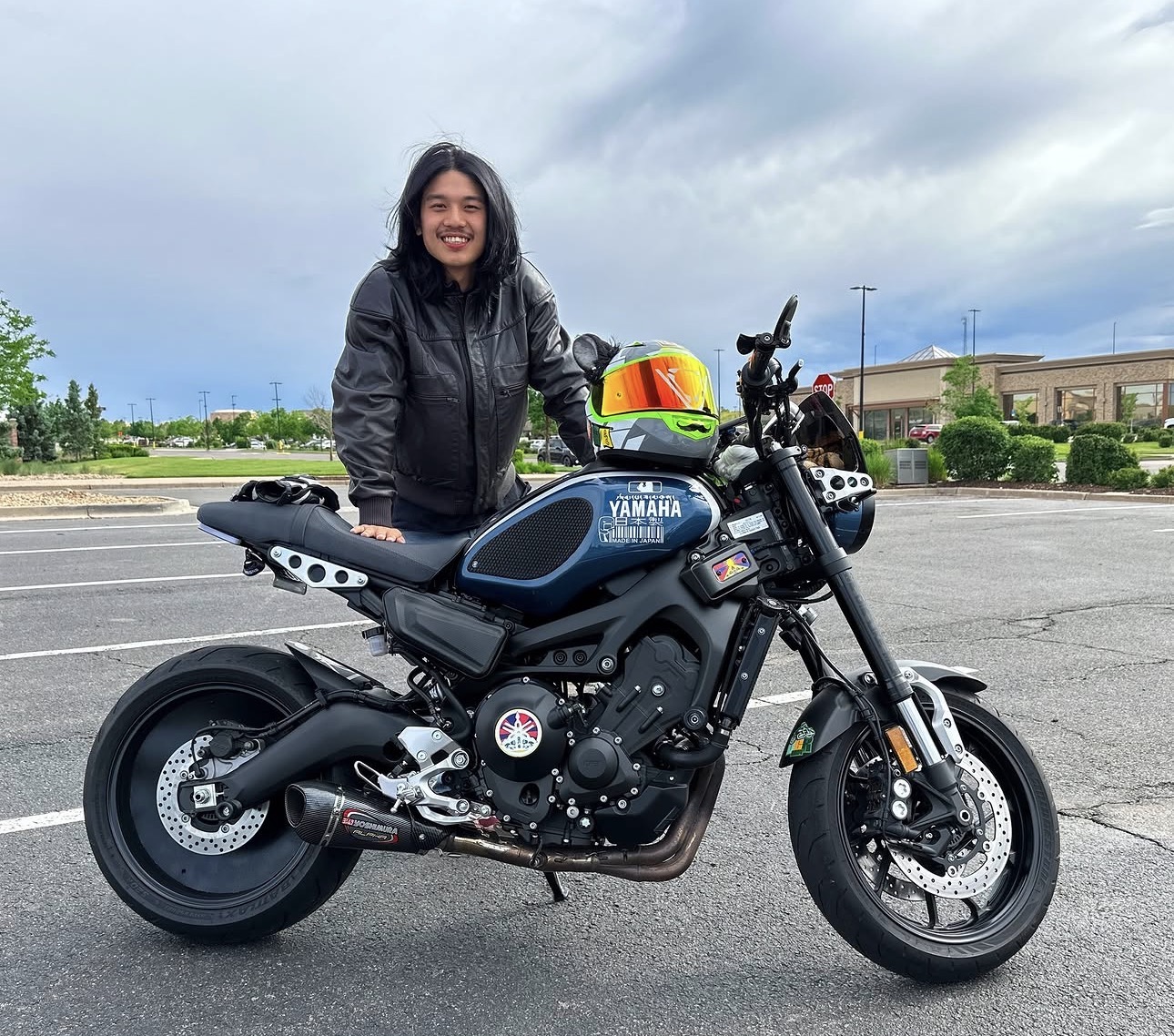
I grew up in the Solukhumbu district of Nepal, within walking distance of Pema Choling Gumba — a monastery my family has supported for generations. In Sherpa life, astrology isn't a curiosity. It shapes how we name children, time ceremonies, and mark the passages of life. It's woven into the rhythm of things, not questioned — just lived.
In my twenties I moved to study in the United States. The distance gave me perspective I wouldn't have had otherwise — I began to see what people outside this tradition were missing, and what they were looking for. Not fantasy. Not entertainment. Genuine tools for understanding time, character, and decision-making rooted in something older than any app.
I built this website to bridge that gap — accurate calculations, real teachings, and a direct connection to the monks at Pema Choling Gumba who have carried these traditions for centuries.
Pema Choling Gumba
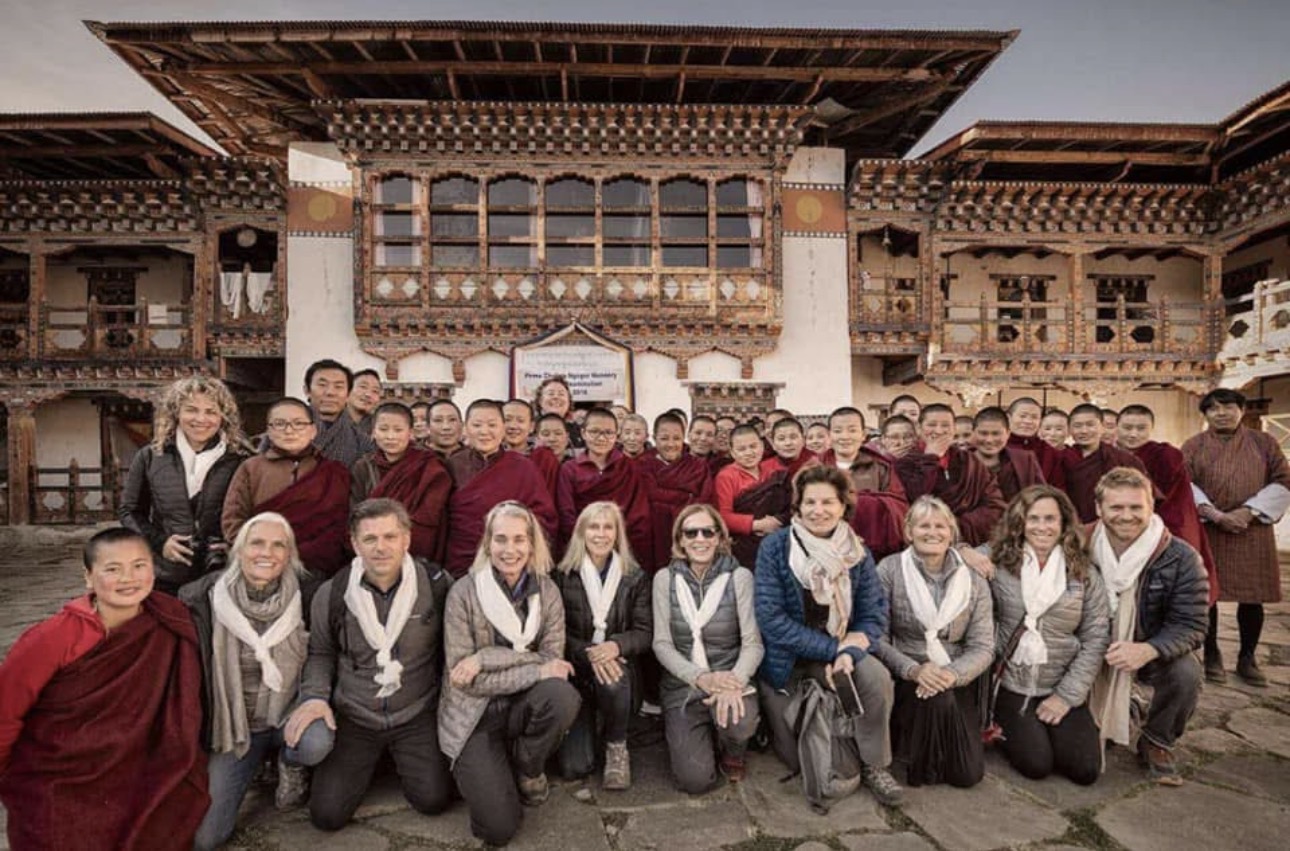
The monastery is not an institution to me — it's where I watched my family bring offerings on feast days, where monks I grew up around still perform daily practice. Pema Choling Gumba, known locally as Rimishung Monastery, sits above the village of Phakding in Solukhumbu district — more than 500 years old, rooted in the Nyingma tradition, and rebuilt after the 2015 earthquake through the effort of the surrounding community.
The devastating 2015 Nepal earthquake destroyed much of the original historic structure. Despite widespread damage across the region, rebuilding the monastery became a top priority for the local community. Today, Pema Choling Gumba has been carefully reconstructed using traditional architectural designs and sacred artwork, once again standing as a place of prayer, learning, and cultural continuity.
For generations, the monastery has been far more than a religious site. It is where families come for blessings, prayers, and ceremonies marking important life events. Monks perform daily ceremonial practices and annual festivals, while the space also serves as a gathering place for cultural activities, traditional songs and dances, and community meetings.
Situated at around 2,672 meters (8,766 feet) in elevation and surrounded by forests, stone prayer walls, and stunning Himalayan scenery—including views of Mount Thamserku—the monastery offers a peaceful atmosphere slightly away from the busy Everest trekking route. Visitors who make the short climb from Phakding often describe the experience as quiet, grounding, and spiritually uplifting.
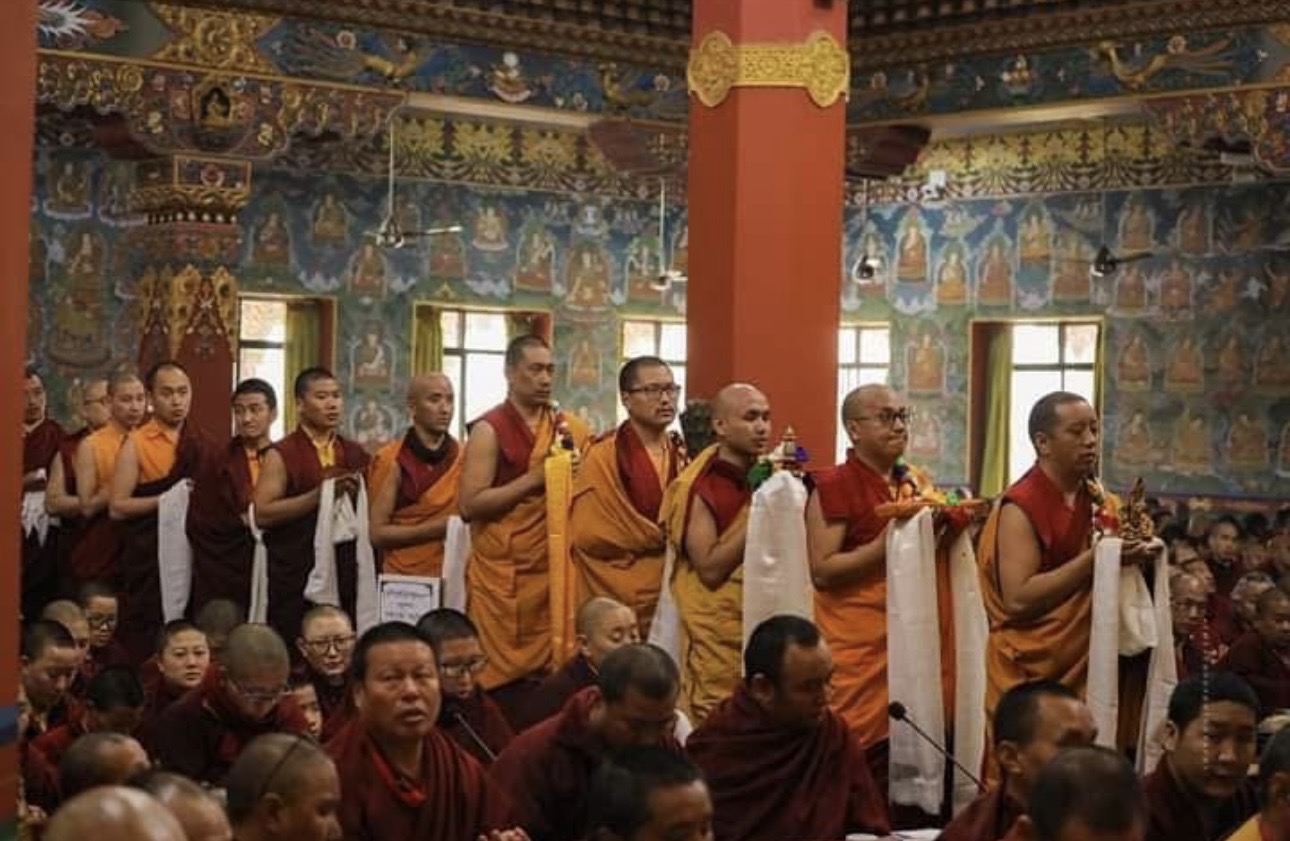
Pema Choling Gumba is located above Phakding village on the Everest Base Camp route — accessible to trekkers.
Planning a Nepal pilgrimage? Trek with local Sherpa guides →Support Pema Choling Gumba
Pema Choling Gumba was severely damaged in the 2015 Nepal earthquake. The community has worked hard to rebuild, but ongoing support helps sustain the monks' education, maintain the temple, and keep the lineage alive for future generations.
The monastery runs on the contributions of its community — from local families and from people around the world who find meaning in what it represents. Even small contributions sustain the monks' education and the preservation of these practices. All donations go directly to the monastery.
Contact Us to DonateWe will provide bank transfer or eSewa details on request.
Cultural Practices We Grow Up With
In Sherpa culture, certain pujas mark important moments in life. Some are performed at specific ages — not because religion demands it, but because the community has found that certain transitions benefit from spiritual support.
For example: a puja for a newborn to receive a name and blessings. A puja at adolescence as a young person takes on more responsibility. A puja before marriage to create auspicious conditions. A puja for those who have passed, performed on specific days after death, to support the journey of consciousness.
These are not superstitions. They are technologies of care — developed over centuries by people who paid close attention to how life unfolds.
If you are from a Sherpa or Tibetan background and want to know which pujas are appropriate for your situation or age, contact us directly. We are happy to guide you.
Ask About Your Puja